
Planning
Seasickness on an Alaska Cruise
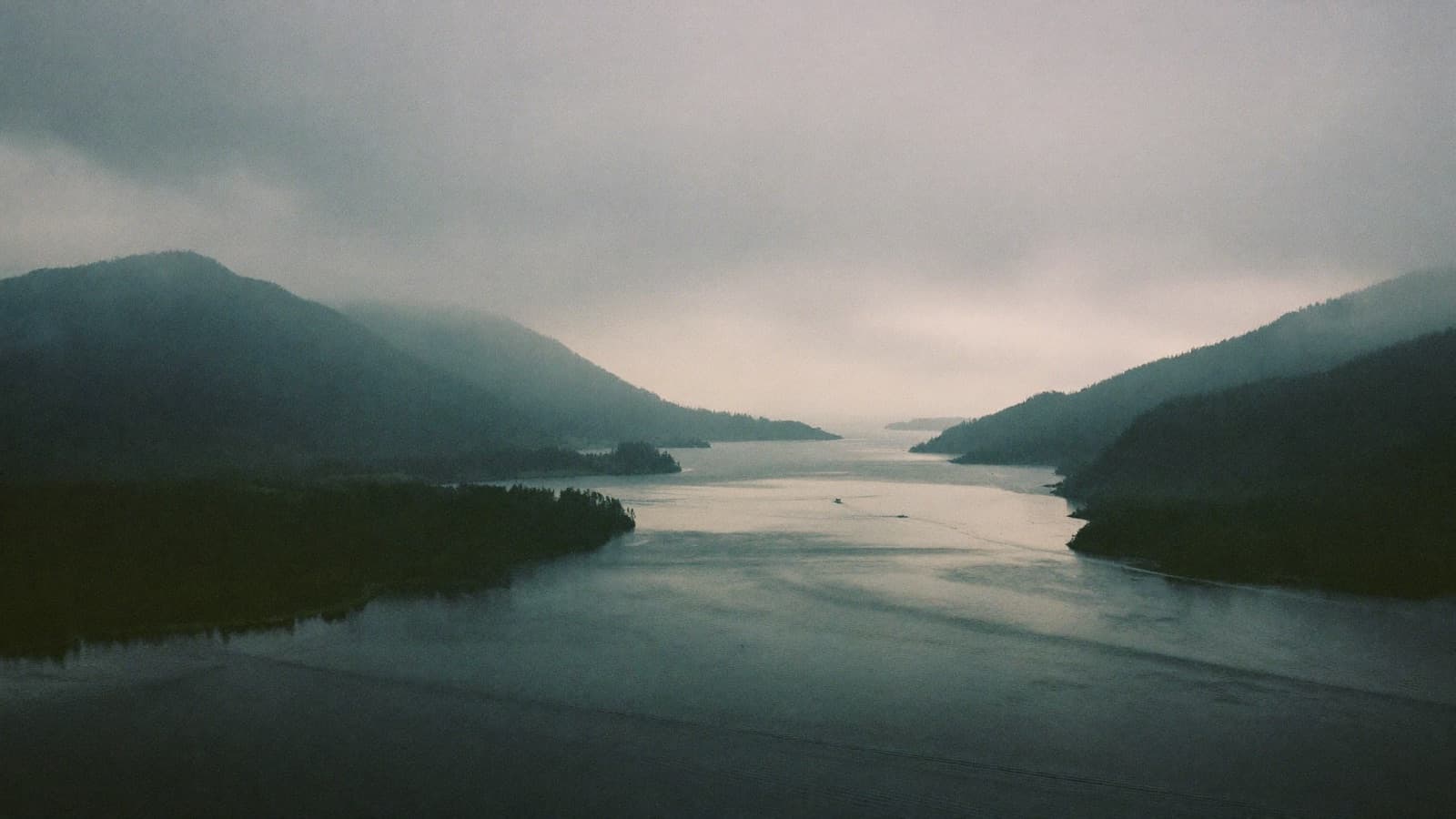
Alaska is one of the calmest major cruise regions, because most of the route runs inside a chain of islands rather than in open ocean. The Inside Passage is genuinely sheltered. The exceptions are the Gulf of Alaska crossing on one way itineraries, the Queen Charlotte Sound crossing, and the open Pacific coast on sailings from California.
The short answer
Most Alaska cruising is sheltered and calm, particularly the Inside Passage where islands block ocean swell. The rough sections are the Gulf of Alaska on one way sailings, Queen Charlotte Sound between Vancouver Island and the mainland, and the open Pacific on California departures. Choose a mid ship, low deck cabin and start any remedy before you feel unwell rather than after.
Key points
- The Inside Passage is sheltered by islands and is among the calmest cruising anywhere.
- The Gulf of Alaska crossing on one way itineraries is the main exposed stretch.
- Queen Charlotte Sound is a short open water section on most northbound routes.
- Mid ship, low deck cabins move least. The difference is significant, not marginal.
- Remedies work far better taken in advance than after symptoms start.
Alaska has a reputation for rough water that is largely undeserved, and it comes from confusing two different things: the Bering Sea, which is genuinely severe, and the Inside Passage, which is not. Cruise ships sail the Inside Passage.
That said, "mostly calm" is not "always calm", and the exceptions are predictable enough that you can plan around them.
Where an Alaska cruise is calm, and where it is not
| Section | Typical conditions | Duration | Notes |
|---|---|---|---|
| Inside Passage, Southeast Alaska | Very calm | Most of the itinerary | Sheltered by islands. Often glassy |
| Queen Charlotte Sound | Moderate | 3 to 6 hours | A gap in the island chain, usually crossed overnight |
| Strait of Georgia and Johnstone Strait | Calm | Several hours | Sheltered |
| Gulf of Alaska crossing | Moderate to rough | 12 to 24 hours | Open ocean. Only on one way Whittier or Seward itineraries |
| Yakutat Bay approach to Hubbard | Variable | 2 to 4 hours | Exposed to the Gulf |
| Open Pacific from California | Moderate to rough | 2 to 4 days | The roughest option. San Francisco and Los Angeles sailings |
| Glacier fjords | Very calm | Hours | Enclosed water, often mirror flat |
How cabin choice affects motion
A ship pivots around its centre. The further you are from that centre, the more you move, and the effect is large enough to be worth planning for if you are sensitive.
| Position | Motion | Trade off |
|---|---|---|
| Mid ship, low deck | Least | Fewer balconies, less view, often cheaper |
| Mid ship, high deck | Low to moderate | Good compromise. More sway, less pitch |
| Forward, any deck | Most pitch | Rises and falls noticeably in swell |
| Aft, any deck | Moderate, plus vibration | Engine vibration is more noticeable |
| Forward, high deck | Most of all | Avoid if you are prone to motion sickness |
What actually helps
The single most important principle is timing. Almost every remedy works considerably better taken before symptoms begin than after, because once nausea starts, the stomach stops absorbing medication efficiently.
| Approach | How it is used | Notes |
|---|---|---|
| Over the counter antihistamines | Taken before travel and repeated as directed | Effective for many people. Commonly cause drowsiness |
| Prescription patches | Applied several hours before exposure | Long acting. Discuss side effects with a doctor first |
| Acupressure wrist bands | Worn continuously | No side effects. Evidence is mixed but many travellers find them helpful |
| Ginger | Capsules, tea or crystallised | Gentle, widely used, low risk |
| Fresh air and horizon focus | Go on deck, look at land or the horizon | Genuinely effective and free |
| Position and posture | Mid ship, lie down, keep the head still | Reduces conflicting sensory input |
| Eating lightly | Small, plain, frequent meals | An empty stomach is as bad as a full one |
What to do if it happens on board
- Go outside and look at the horizon. Motion sickness is a sensory conflict between what your inner ear feels and what your eyes see. Looking at a fixed distant point resolves the conflict.
- Move mid ship and low. The theatre, the mid ship lounges and the lower decks all move less than your cabin if your cabin is forward or high.
- Eat something plain. Dry crackers, plain bread, green apple. An empty stomach makes it worse.
- Stay hydrated and avoid alcohol. Alcohol substantially worsens motion sickness.
- Lie down with your head still if being outside is not working. Flat and still is the most reliable position.
- Visit the medical centre if it persists. Ships carry effective treatments including injections for severe cases. There is a charge, but this is exactly what the facility is for.
Choosing an itinerary if you are prone
- Choose a round trip Inside Passage itinerary from Vancouver or Seattle rather than a one way Gulf of Alaska crossing. This is the single biggest lever available.
- Prefer Vancouver to Seattle if you can, since Vancouver round trips spend more time in sheltered water and less in the exposed stretch off Vancouver Island's west coast.
- Avoid California departures. San Francisco and Los Angeles sailings involve two to four days on the open Pacific in each direction.
- Choose a larger ship. Bigger vessels with modern stabilisers move noticeably less than small ones in the same conditions.
- Sail in July rather than May or September. Weather is most settled in midsummer, and the shoulder months carry a higher chance of a rough Gulf crossing.
Frequently asked questions
Are Alaska cruises rough?
Is the Gulf of Alaska crossing rough?
Which cabin is best if I get seasick?
What is the best seasickness remedy for a cruise?
Do cruise ships give out seasickness tablets?
Which Alaska itinerary is calmest?
Keep researching
Cabin position, motion and what to prioritise.
One way versus round trip, and what changes.
What the sheltered route actually looks like.
Comfort and health planning for older travellers.