
Planning
How Cold Is an Alaska Cruise?
Alaska in summer is milder than most people expect and colder than most people prepare for, and both of those statements are true at once. Daytime highs in the ports run 55 to 68 degrees Fahrenheit, but an open deck at a glacier face in wind can feel closer to 35.
The short answer
Typical daytime highs on an Alaska cruise run 55 to 68 degrees Fahrenheit in port, with June to August the warmest. The cold you actually need to prepare for is wind chill on an open deck at a glacier face, where katabatic wind off the ice can make it feel 10 to 20 degrees colder than the same day in town.
Key points
- Port daytime highs run 55 to 68 degrees Fahrenheit from May to September.
- A glacier face is typically 10 to 15 degrees colder than the same day in town.
- Wind on a moving deck adds a further significant chill.
- Boat trips feel much colder than standing on land at the same temperature.
- Layers handle all of this. A single heavy coat does not.
Two things are true about Alaska temperatures and they seem to contradict each other. It is milder than people expect: a July day in Juneau averages around 64 degrees Fahrenheit, which is an unremarkable summer day in most of northern Europe. And it is colder than people prepare for, because the number that matters is not the air temperature in town but what it feels like on an open deck in wind, a quarter of a mile from several thousand feet of ice.
Typical temperatures by month
| Month | Juneau high | Juneau low | Skagway high | Ketchikan high |
|---|---|---|---|---|
| May | 55°F / 13°C | 42°F / 6°C | 57°F / 14°C | 58°F / 14°C |
| June | 62°F / 17°C | 48°F / 9°C | 65°F / 18°C | 63°F / 17°C |
| July | 64°F / 18°C | 51°F / 11°C | 68°F / 20°C | 66°F / 19°C |
| August | 63°F / 17°C | 50°F / 10°C | 66°F / 19°C | 65°F / 18°C |
| September | 56°F / 13°C | 45°F / 7°C | 58°F / 14°C | 59°F / 15°C |
Those are the numbers people plan around, and they are the wrong numbers.
The temperatures that actually matter
At a glacier face
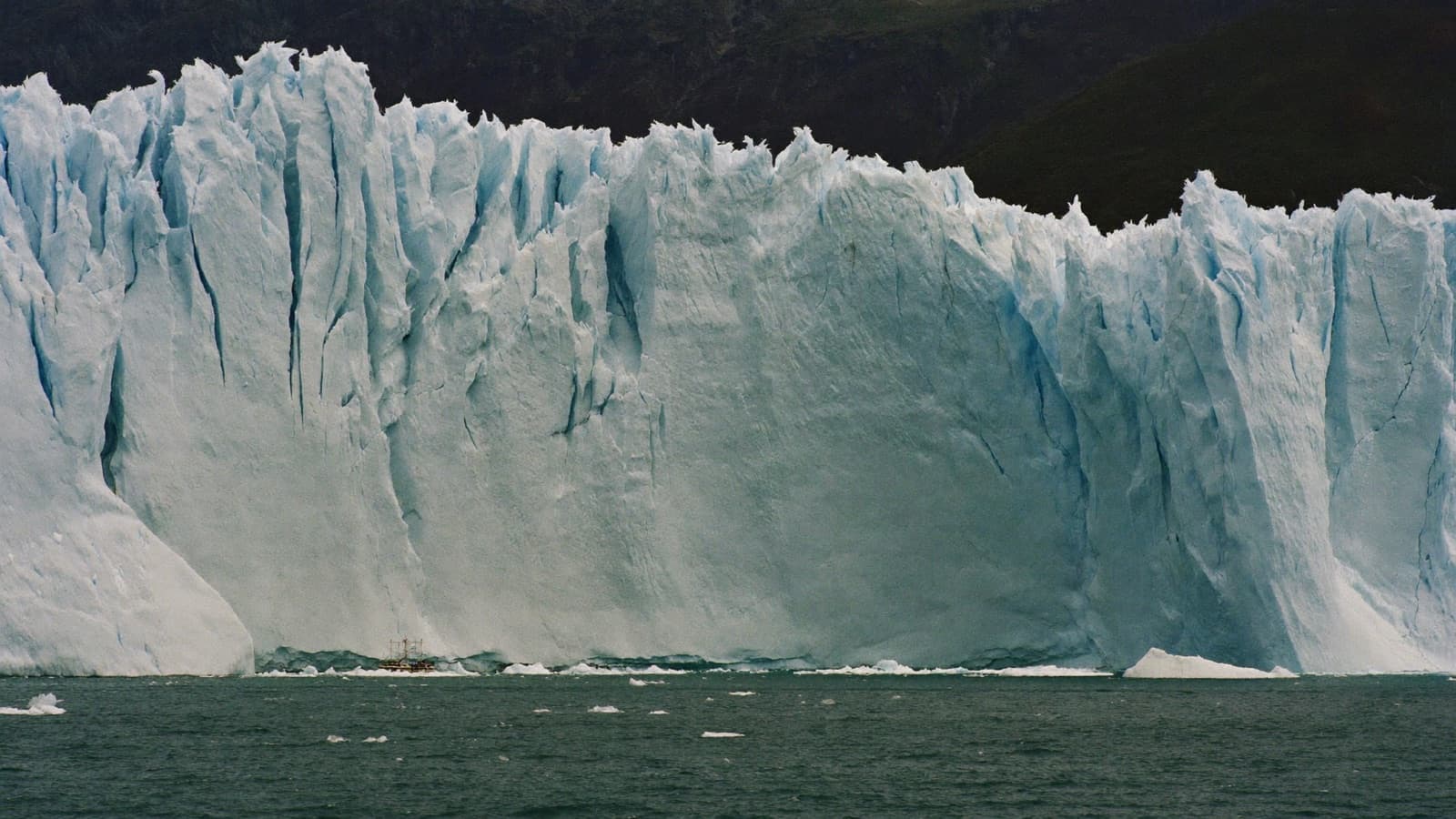
Glaciers generate their own weather. Cold, dense air flows downhill off an icefield in what is called a katabatic wind, and it arrives at the water where your ship is holding position. On a Glacier Bay or Hubbard morning it is common for the temperature at the ice to be 10 to 15 degrees Fahrenheit below the reading at the mouth of the bay, with wind on top of that.
A 62 degree June day in Juneau can be a 45 degree experience with wind at Margerie Glacier, and you will be standing still in it for an hour.
On a moving deck
The ship makes its own wind. At 18 knots, even a still day produces a 20 mile per hour apparent wind on an exposed deck, and the wind chill from that is substantial. This is why the forward observation lounges on ships like Norwegian Bliss and Royal Caribbean Quantum class matter so much in Alaska.
On a small boat
Whale watching boats feel considerably colder than the same temperature ashore. You are wet from spray, you are stationary for long periods while the boat drifts, and there is nothing between you and the wind. Operators supply blankets for a reason.
In the rain
Wet clothing conducts heat away from your body far faster than dry clothing. A 58 degree day in Ketchikan with persistent rain and an inadequate jacket is genuinely unpleasant in a way that 58 degrees and dry is not. This is the single strongest argument for a properly waterproof shell rather than a water resistant one.
What this means for what you pack
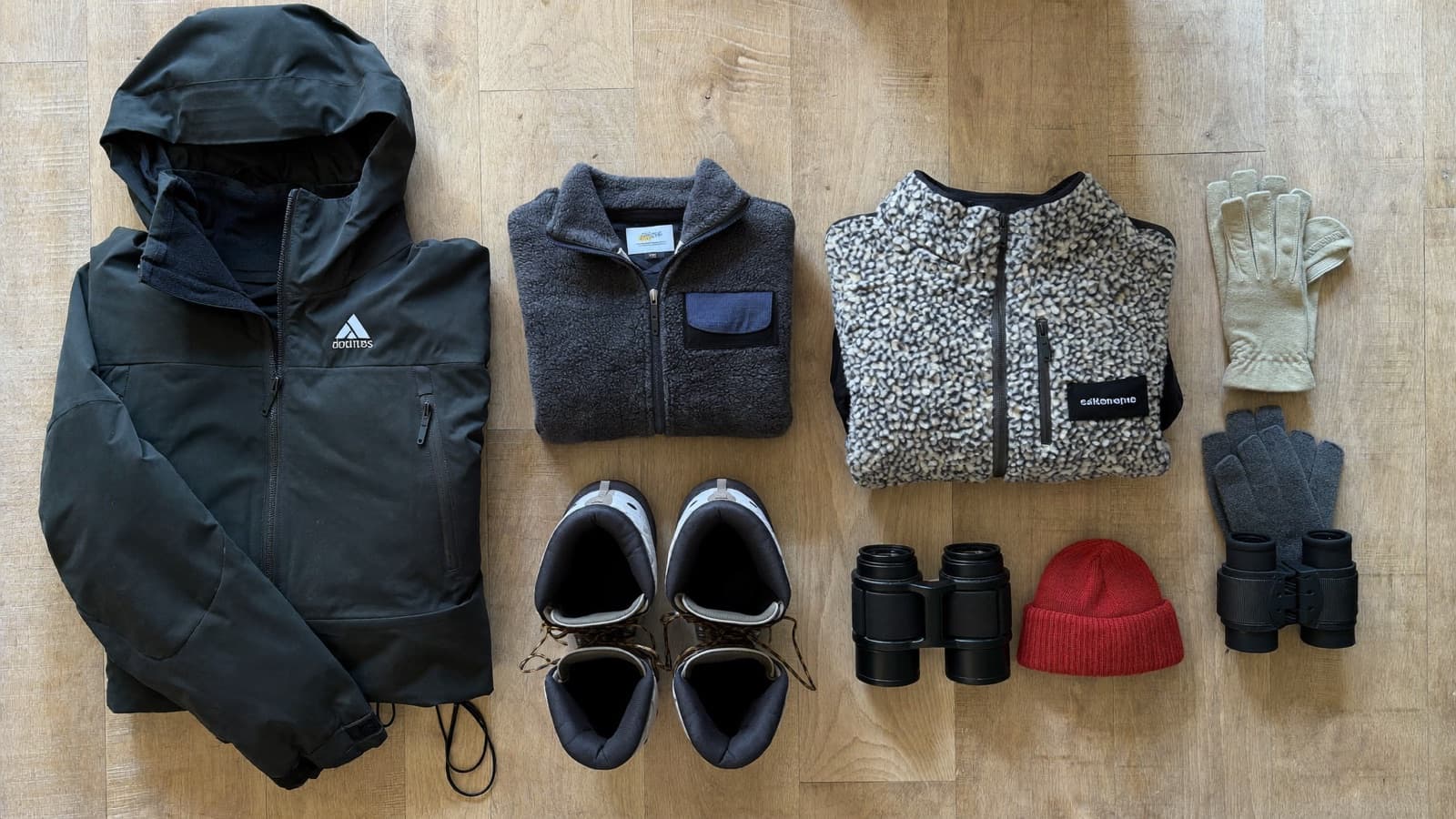
The answer is layers, and specifically two thin mid layers rather than one thick one, because that gives you four useful configurations instead of two.
- Base plus shell for a mild wet port day
- Base plus fleece plus shell for most of the trip
- Base plus fleece plus down plus shell for a glacier morning on an open deck
- Base plus fleece for a warm afternoon in Skagway
Add a hat that covers the ears and light gloves. They weigh almost nothing and they are the difference between staying outside for the full hour at the glacier and retreating after fifteen minutes. The full list is in our packing guide.
The one thing nobody warns you about
In late June, Juneau gets about eighteen hours of daylight and never becomes properly dark. That has nothing to do with temperature and everything to do with how the trip feels. People stay up later than they intend, wake earlier than they meant to, and are colder than they should be on a 6:00 am deck because they went outside in what they were sleeping in.
Bring a sleep mask, and put your fleece by the door.
Does the month change the answer?
Less than you would think. The difference between a May glacier morning and a July glacier morning is real but modest, perhaps seven or eight degrees. The difference between a sheltered deck and an exposed one on the same morning is larger. The difference between a proper waterproof shell and a fashion raincoat is larger still.
Choose your month for daylight, wildlife and price, and solve the temperature problem with clothing rather than with the calendar.
Frequently asked questions
How cold does it get on an Alaska cruise?
Do I need a winter coat for an Alaska cruise?
Is it cold on the balcony in Alaska?
What is the coldest part of an Alaska cruise?
Related articles
Onboard
What to Wear on an Alaska Cruise
What to actually wear on an Alaska cruise, from a glacier morning to a formal night, with outfit guidance for each type of day rather than a packing list.
Updated
Planning
The Best Month for an Alaska Cruise
A month by month ranking of the Alaska cruise season, with the reasoning behind each position and a clear answer for different priorities.
Updated
Planning
Alaska Packing Mistakes People Regret
The packing errors Alaska cruisers most often regret, from water resistant jackets to missing binoculars, and the cheap fixes for each.
Updated