

Planning
The Best Month for an Alaska Cruise
Every month of the Alaska season has a case, and the case changes depending on whether you are optimising for weather, wildlife, daylight, quiet or price. This is our ranking, with the reasoning shown so you can disagree with it usefully.
The short answer
The best month for an Alaska cruise is June, and specifically the second half of it. Daylight is at its maximum, whales are established in their feeding grounds, the weather is as settled as Alaska gets, and the extreme July crowding has not yet arrived. September is the best month for photography and quiet, and August is the best month for bears.
Key points
- Second half of June ranks first on the broadest set of criteria.
- July is warmest and busiest, with peak whale activity and peak crowding.
- August delivers the best bear viewing and the most rain.
- September has the clearest air, autumn colour and the fewest passengers.
- May is the driest month and the cheapest at the start of the season.
Ranking the months of the Alaska cruise season only makes sense if you say what you are ranking for. Warmest is not the same as best, and cheapest is not the same as worst. What follows is our ranking on the broadest set of criteria, with the reasoning shown so you can weight it differently if your priorities differ.
1. Late June
The second half of June wins on the most criteria simultaneously. Daylight in Juneau peaks at roughly eighteen hours around the solstice and never fully disappears, which means an evening transit of College Fjord at 9:00 pm happens in full light. Humpbacks have arrived and settled into their feeding patterns, so whale watching sighting rates are high. Rainfall is below the August peak, and temperatures are mild enough that a fleece plus a shell handles most of the day.
Crowding is building but has not yet reached the July peak, so port days feel busy rather than overwhelming.
2. Early September
The first two weeks of September deliver the clearest air of the season, autumn colour on the tundra above the White Pass, fresh snow returning to the peaks, and markedly fewer passengers. Fares fall back toward shoulder levels. Whale activity is still good, though beginning to disperse.
What you give up is about four hours of daily daylight compared with June and a higher chance of unsettled weather, particularly on a Gulf of Alaska crossing.
3. Early July
The first two weeks of July are warmest and have the strongest whale activity of the season, with salmon beginning to run toward the end. Everything is open and operating at full capacity. The cost is crowding: this is the busiest fortnight in Alaska, and if you have not booked excursions three or more months ahead you will find the good ones gone.
4. Late July and August
The wildlife window. Salmon runs peak, which brings bears to predictable places at Herring Cove and on Chichagof Island. Whale feeding is still strong. Against that, August is the wettest month of the summer in most of Southeast Alaska, and low cloud more often hides the peaks that make the scenery.
If bears are why you are going, this is your window and the rain is the price.
5. Mid to late May
The driest part of the season, with snow still low on the mountains and a landscape that looks more dramatic than it does in high summer. Fares run 30 to 50 percent below peak. Whales are present but not yet concentrated, and there are no salmon and therefore few bears at streams.
Johns Hopkins Inlet in Glacier Bay is usually closed during this period to protect harbour seal pupping, so the itinerary inside the park is slightly reduced.
6. Late September and early October
The very end of the season. Quiet, cheap and often beautiful, with genuine darkness at night that gives a modest chance of aurora. Days are short, the weather is least predictable, and the Gulf of Alaska can be rough. Some excursion operators have already closed for the year.
7. Late April and early May
The cheapest fares of the year and the emptiest ports. It is also cold, whale activity is limited, and a meaningful number of shore operators are not yet running at full capacity. Worth it if price is the dominant factor and you are content to treat the scenery rather than the wildlife as the main event.
The ranking by priority
| If you care most about | Sail in | Why |
|---|---|---|
| Overall balance | Late June | Best combination of daylight, weather and wildlife |
| Whale watching | July, early August | Peak feeding concentration |
| Bear viewing | Late July, August | Salmon runs bring bears to streams |
| Photography | September | Clearest air, autumn colour, fresh snow |
| Quiet ports | May, late September | Fewest ships |
| Lowest price | Early May, late September | 30 to 50 percent below peak |
| Longest days | Mid to late June | Around eighteen hours of daylight |
| Driest weather | May | The driest month of the Alaska season |
What does not vary
Two things stay constant across the whole season and are worth remembering when you are agonising over dates.
The glaciers do not change. Margerie, Hubbard and Dawes look much the same in May as in August, and glacial ice reads bluer under overcast skies than in bright sun, so a grey day is not a lost day.
And it will rain. Ketchikan averages around 140 inches a year and there is no month in which you can plan around avoiding it. Pack a proper waterproof shell, accept that two to four days of a seven night cruise will be wet, and choose your month for the things that actually vary.
For the full month by month data behind this ranking, see best time for an Alaska cruise.
Frequently asked questions
What is the single best month for an Alaska cruise?
Is July too crowded for an Alaska cruise?
Is September worth it for an Alaska cruise?
What is the warmest month for an Alaska cruise?
Related articles
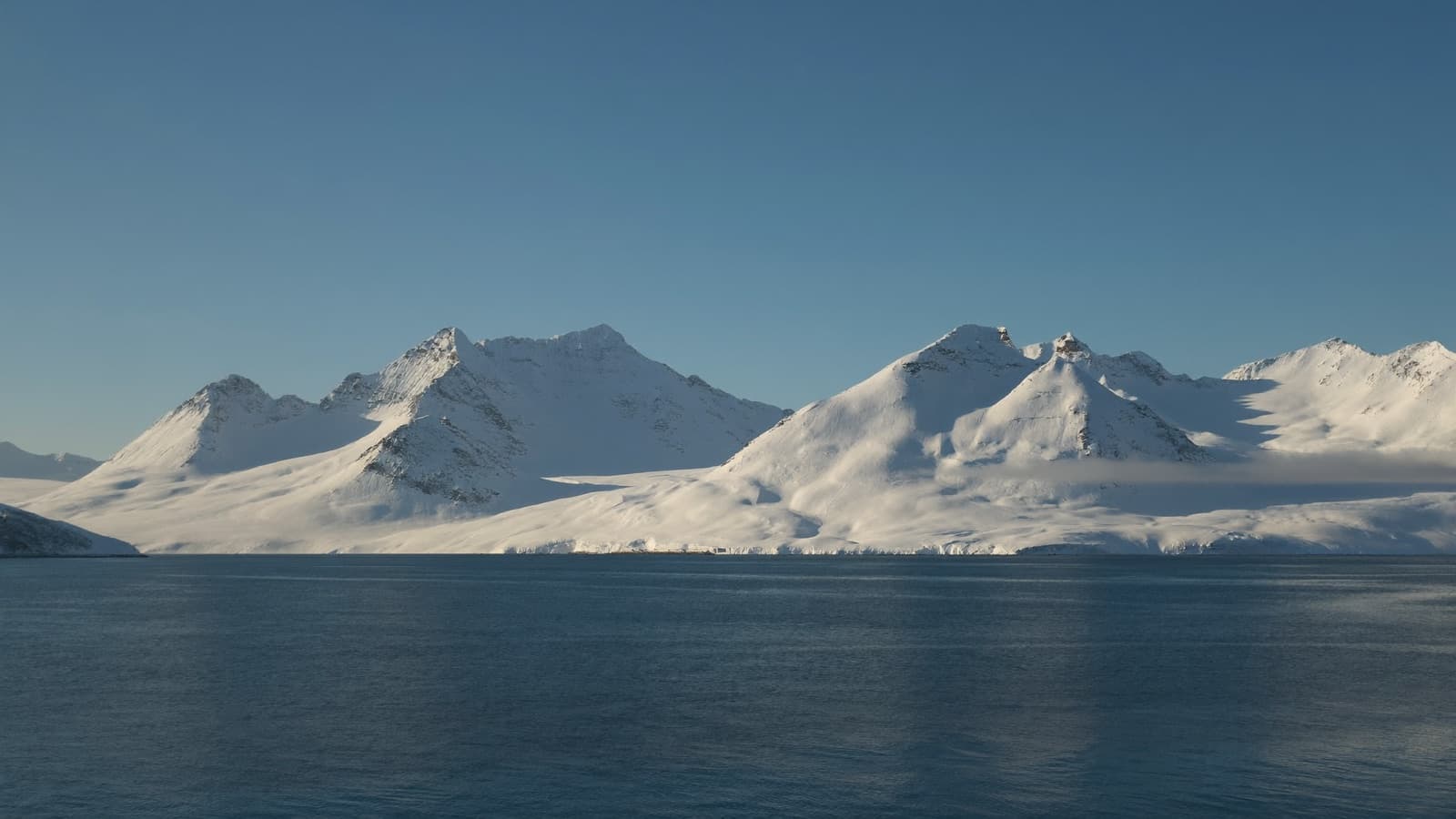
Planning
Cruising Alaska in May
What an Alaska cruise in May is actually like, covering weather, daylight, wildlife, crowds, pricing and what is and is not open yet.
Updated
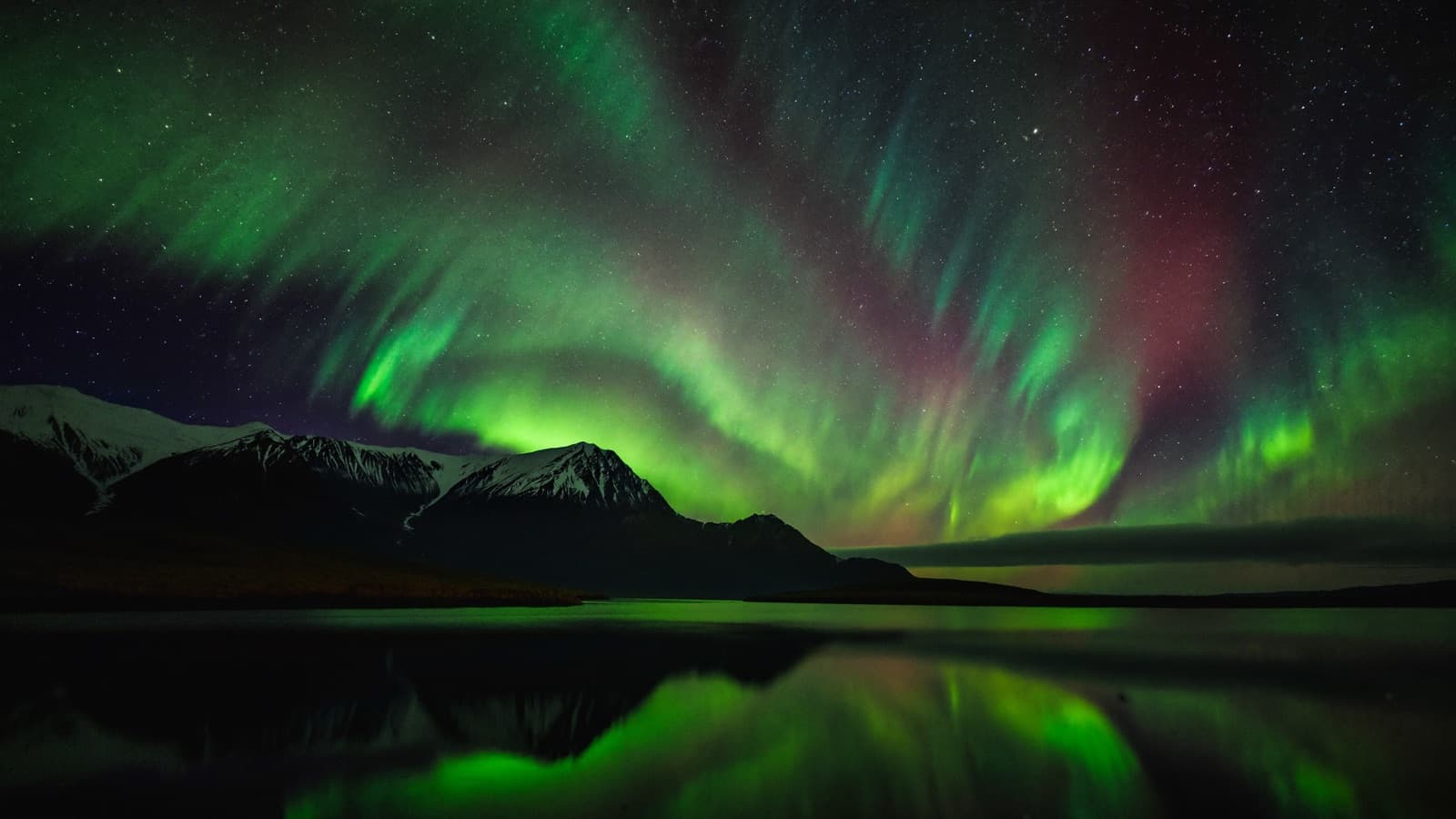
Planning
Cruising Alaska in September
What an Alaska cruise in September is like, covering autumn colour, clearer air, fewer passengers, shorter days and the weather trade off.
Updated
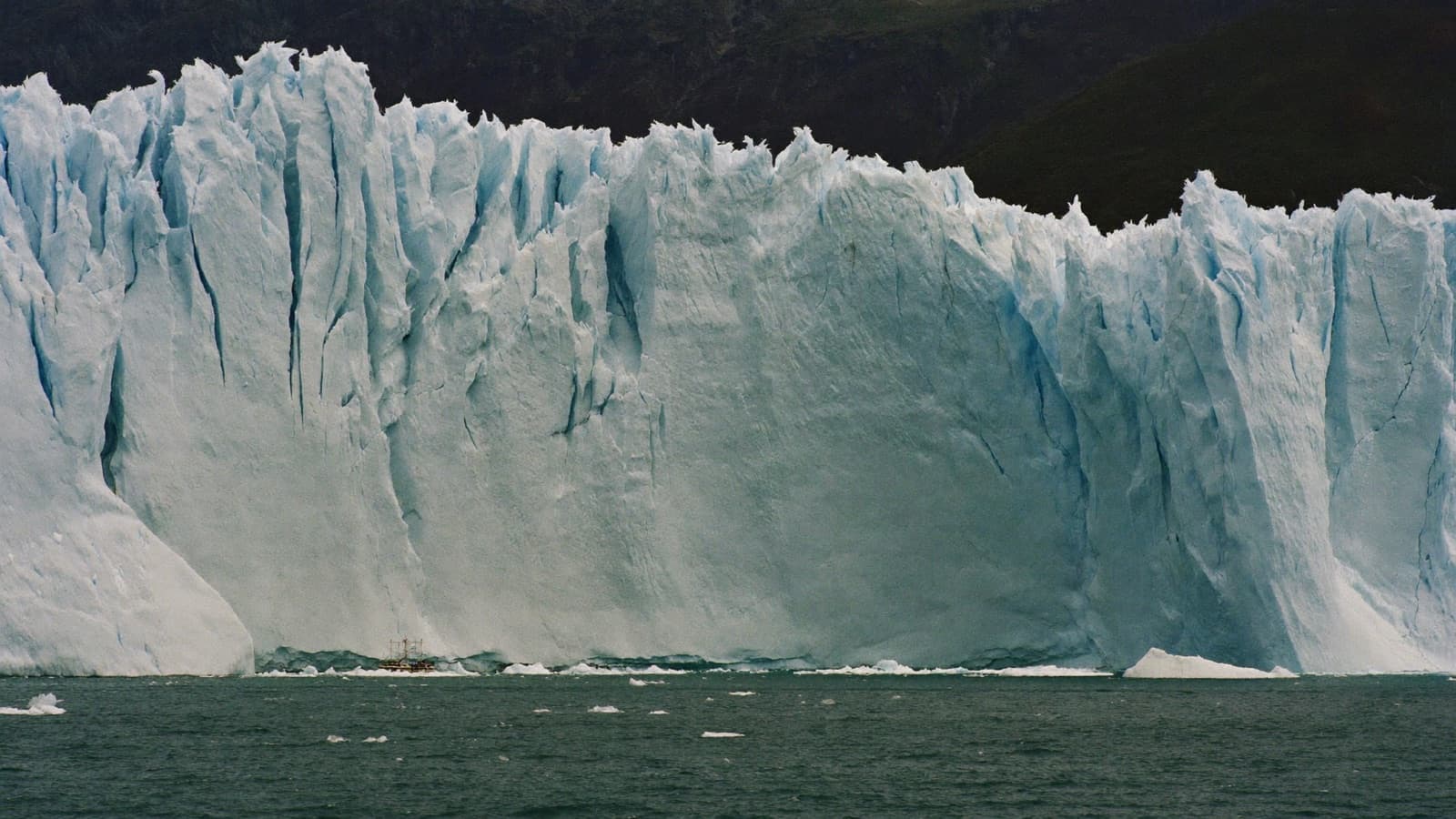
Planning
How Cold Is an Alaska Cruise?
Actual temperatures on an Alaska cruise by month, port and activity, including why a glacier face is far colder than the same day in town.
Updated