
Photography
Alaska Cruise Photography Tips
Alaska presents three specific photographic problems: very bright ice that fools meters, fast moving animals at distance from an unstable platform, and persistent low light in fjords. Solve those three and everything else follows.
The short answer
For Alaska, add half to one stop of positive exposure compensation when shooting ice, use 1/1600 second with continuous autofocus for whales, bring a 70 to 200mm or longer lens, and protect gear with a cheap rain cover. Overcast conditions improve glacial blue and rainforest colour, so grey days are not lost days.
Key points
- Ice fools light meters. Add half to one stop of positive exposure compensation.
- Whales need 1/1600 second, continuous autofocus and burst mode.
- Overcast improves glacial blue and rainforest greens.
- Include something for scale or a glacier photograph means nothing.
- Cold halves battery life. Keep a spare in an inside pocket.
Alaska is a difficult place to photograph well and an easy place to photograph badly. The difficulties are specific and solvable.
Problem one: ice fools your meter
A camera meter assumes the average scene is mid grey. Fill the frame with a glacier and the meter tries to render that white ice as grey, underexposing by roughly a stop.
Fix: dial in +0.5 to +1.0 exposure compensation whenever ice dominates the frame. Check the histogram rather than the screen, which is unreliable in bright conditions.
A related point: dense glacial ice reads blue because compression has forced the air out, so it absorbs longer wavelengths. The bluest ice is the freshest and deepest, and it reads bluer under overcast skies than in bright sun. Do not try to correct that blue in post processing. It is what you came for.
Problem two: moving animals from a moving platform
Both you and the subject are moving, and image stabilisation cannot fix subject motion.
Settings for whales and wildlife from a boat:
- Shutter 1/1600 second or faster
- Continuous autofocus, with a wide or zone area rather than a single point
- Burst mode
- Auto ISO with a ceiling around 3200
- No polariser. It costs a stop and a half exactly when you need speed
The classic humpback shot is the fluke as the whale sounds, and you get about two seconds. Watch for the arched back. That is the cue, and if you wait for the tail you have missed it.
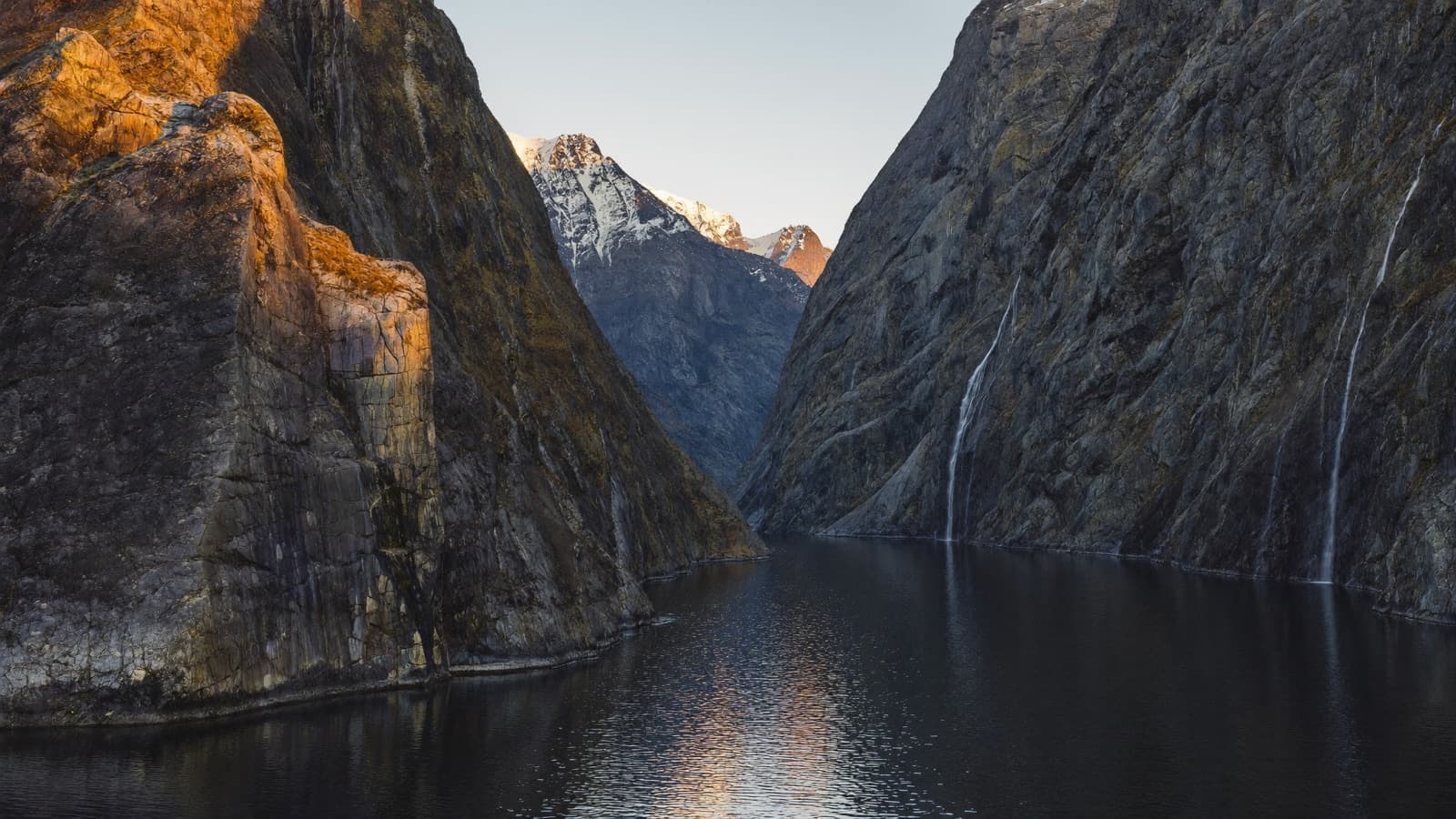
Problem three: low light in fjords
Fjord walls block direct sun for much of a transit, and Alaska overcast is genuinely dark. Many of the best moments happen at 5:30 am in a north facing fjord.
Fix: be willing to push ISO to 1600 or 3200. Modern sensors handle it and a sharp noisy image beats a clean blurred one. Brace against a deck rail, which buys two or three stops of stability.
Gear that earns its place
| Item | Why |
|---|---|
| 70 to 200mm lens | The workhorse. Covers glaciers, wildlife at moderate range and compressed landscapes |
| 400mm or a teleconverter | For whales, otters, goats and eagles |
| 16 to 35mm | Fjord corridors, ship decks, wide landscapes |
| Spare batteries | Cold halves working life. Keep one warm in a pocket |
| Rain cover | A cheap sleeve is worth more than any filter here |
| Microfibre cloth | Constant lens spray on boat trips |
| Circular polariser | For wet foliage and water surfaces, not for wildlife |
| Small travel tripod | Only genuinely useful at College Fjord and in port at dusk |
Phone cameras handle landscapes well and wildlife badly. If you are bringing one camera and wildlife matters, bring the long lens.
Subjects and how to approach them
Glaciers
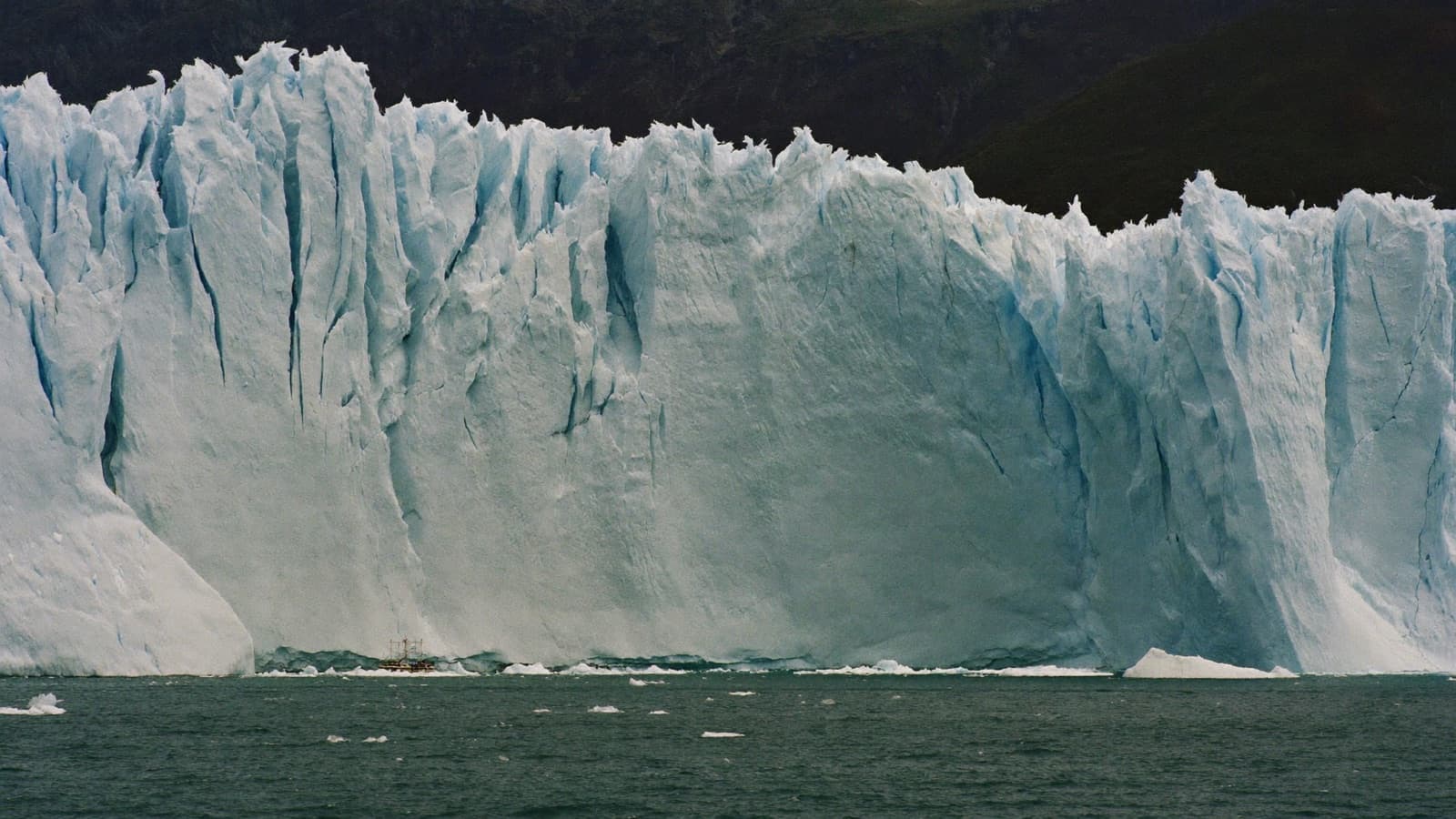
Include something for scale: a tour boat, kayakers, birds, the ship's rail. A glacier photographed alone flattens into an abstract white shape and communicates nothing about size.
Video the calving and photograph the aftermath. Calving is too fast and unpredictable for stills; the picture worth taking is the wave and churned ice immediately after.
Whales
Covered above. One addition: shoot wider than feels right. A tightly cropped fluke with no context is less interesting than a fluke with a mountain range behind it.
Totem poles and rainforest
Overcast is an advantage. Direct sun through a canopy creates blown highlights and heavy shadow that destroy carved detail. Totem Bight in flat light is far better than in sun.
Towns
Early. Get ashore at 7:30 am before the crowds and Skagway or Ketchikan photograph cleanly with long shadows and empty streets. By 10:00 am there are four thousand people in the frame.
The ship
Aft decks at sailaway, and the wake at night. Both are underused and both work.
Timing
In June there is no real golden hour, there is a golden three hours, roughly 8:00 to 11:00 pm and again from 4:00 am. Use it. The best light of an Alaska cruise happens when most passengers are at dinner or asleep.
In September the light is shorter but the air is clearer, which is why many photographers prefer the late season. See best month for an Alaska cruise.
Frequently asked questions
What camera settings should I use for glaciers?
What lens do I need for whale watching in Alaska?
Does bad weather ruin Alaska cruise photography?
How do I stop my camera batteries dying in the cold?
Related articles
Wildlife
Choosing Binoculars for an Alaska Cruise
How to choose binoculars for an Alaska cruise, what 8x42 means, why bigger magnification is usually worse, and how much you need to spend.
Updated
Destinations
A Day in Glacier Bay, Hour by Hour
What a Glacier Bay cruise day is actually like hour by hour, from rangers boarding at dawn to the afternoon transit out, and how to make the most of it.
Updated
Destinations
Glacier Viewing Tips for an Alaska Cruise
How to make the most of a glacier day on an Alaska cruise, including where to stand, what to wear, when to go outside and what calving actually looks like.
Updated