
Planning
Cruising Alaska in May
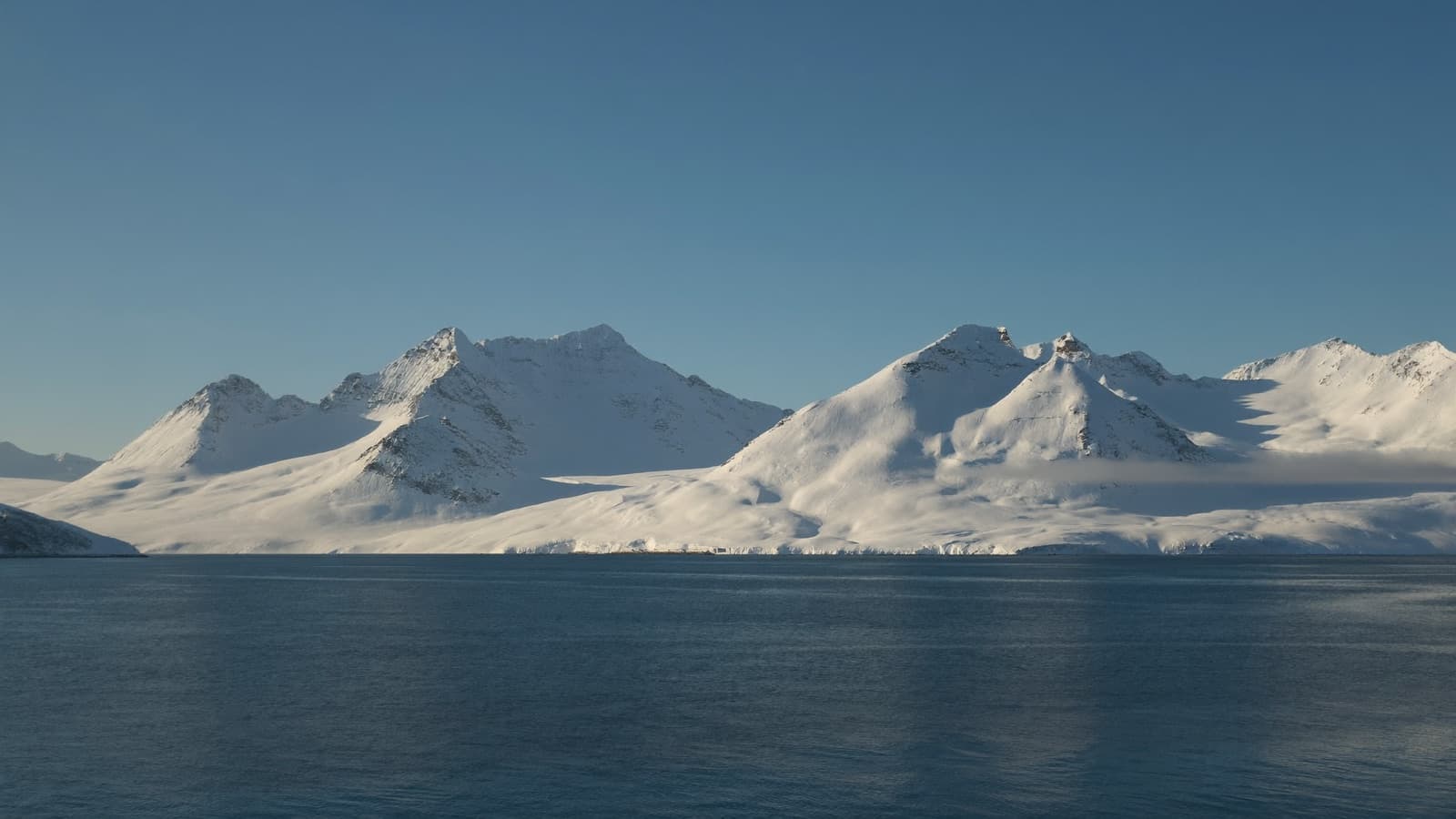
May is the driest month of the Alaska cruise season, the cheapest after late September, and the one with the most snow still on the mountains. It is a genuinely good month with a specific set of trade offs, most of which relate to wildlife rather than weather.
The short answer
May offers the driest weather of the Alaska season, fares 30 to 50 percent below peak, quiet ports and dramatic snow covered mountains. The trade offs are cooler temperatures, whales not yet concentrated in their feeding grounds, no salmon and therefore few bears, and Johns Hopkins Inlet usually closed in Glacier Bay.
Key points
- May is the driest month of the Alaska cruise season.
- Fares run 30 to 50 percent below peak July pricing.
- Snow still low on the mountains makes the scenery more dramatic.
- Whales are present but dispersed; there are no salmon and few bears.
- Ports are genuinely quiet compared with July.
May is the month that rewards travellers who understand what they are trading. It is genuinely good, and it is good for different reasons than July.
The weather
May is the driest month of the Alaska cruise season across most of Southeast Alaska. That is a real advantage in a region where Ketchikan averages around 140 inches of rain a year.
| Location | Typical high | Typical low |
|---|---|---|
| Juneau | 55°F / 13°C | 42°F / 6°C |
| Ketchikan | 58°F / 14°C | 44°F / 7°C |
| Skagway | 57°F / 14°C | 40°F / 4°C |
Daylight runs about fifteen and a half hours at the start of the month and seventeen by the end, so evening scenic cruising works.
What looks better in May
The mountains. Snow is still low on the peaks and the coastal ranges look considerably more dramatic than they do in August when much of it has melted. Photographers frequently prefer May and September for this reason.
The passes. The White Pass railway in May often runs through genuine snow at the summit, which is a different experience from the green tundra of July.
The ports. With fewer ships calling, Juneau and Skagway feel like towns rather than venues.
What is missing
Concentrated whale activity. Humpbacks arrive from Hawaii and Mexico through April and May and are still settling into feeding patterns. You will very likely see whales on a boat trip, but trips involve more travel between sightings than in July. See the whale watching guide.
Salmon, and therefore bears. Salmon runs begin in July. In May bears are out of hibernation and feeding on vegetation and intertidal life across a very large area, which makes them hard to find. Bear excursions in May are poor value.
Johns Hopkins Inlet. In Glacier Bay, the inlet is usually closed until late June or early July to protect harbour seal pupping. Ships substitute Lamplugh Glacier, which is excellent but it is one fewer stop.
Some operators. A number of shore excursion businesses start mid month. Late May is safer than the first week.
The price
This is the strongest argument for May. Fares run 30 to 50 percent below peak July pricing for the same cabin on the same ship.
| Cabin | Early May | Late July |
|---|---|---|
| Interior | $450 to $800 | $900 to $1,600 |
| Oceanview | $600 to $1,000 | $1,150 to $1,900 |
| Balcony | $800 to $1,300 | $1,500 to $2,600 |
For a couple in a balcony that is $1,400 to $2,600 saved. See budget Alaska cruises.
Who May suits
- Travellers optimising for price
- Photographers who want snow on the peaks
- Anyone who dislikes crowds
- People whose main interest is glaciers and scenery rather than wildlife
- Repeat visitors who have already done a July sailing
Who should choose a different month
- Anyone for whom bear viewing is the priority
- Travellers who want the highest possible whale activity
- Families needing every facility open and every youth club full
- Anyone who is genuinely cold sensitive
What to pack differently
Everything on the standard packing list, plus a warmer hat and a second mid layer. Glacier days in May are noticeably colder than in July, and you will be standing still in wind.
For the full month by month comparison, see best time for an Alaska cruise.
Frequently asked questions
Is May a good time to cruise Alaska?
How cold is Alaska in May?
Are there whales in Alaska in May?
Is everything open in Alaska in May?
Related articles

Planning
The Best Month for an Alaska Cruise
A month by month ranking of the Alaska cruise season, with the reasoning behind each position and a clear answer for different priorities.
Updated
Planning
Cruising Alaska in September
What an Alaska cruise in September is like, covering autumn colour, clearer air, fewer passengers, shorter days and the weather trade off.
Updated
Planning
How Cold Is an Alaska Cruise?
Actual temperatures on an Alaska cruise by month, port and activity, including why a glacier face is far colder than the same day in town.
Updated